
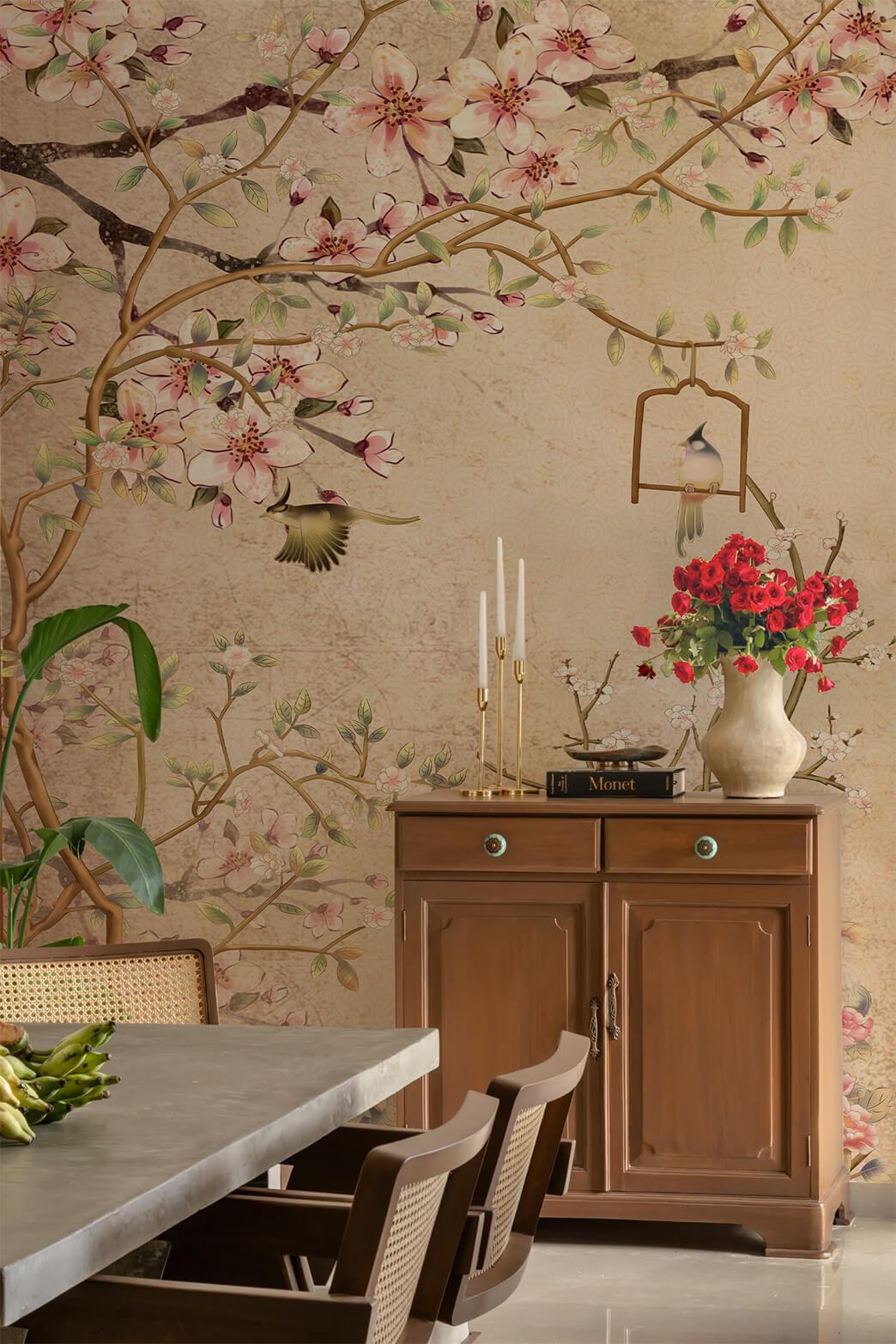
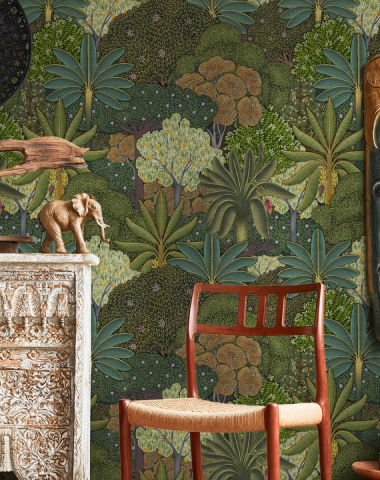







Wallpaper has long been associated with concerns about peeling paint and damaged walls, leaving many homeowners and renters wondering, “Will wallpaper damage my walls?” This concern usually comes from past experiences with old-style wallpaper, poor-quality adhesives, or improper removal methods.
Experts at Magicdecor reassure that modern wallpapers, when chosen wisely and applied correctly, are designed with wall safety in mind. Whether you’re choosing traditional or peel and stick wallpaper, here’s everything you need to know about transforming your space without damaging the walls.
Can Wallpapers Damage Your Walls? The Truth
Wallpaper may cause damage if it is applied to poorly prepared surfaces or already damaged walls, if low-quality materials or overly strong adhesives are used, or if the wallpaper is removed incorrectly. In such cases, paint peeling, surface tearing, or adhesive residue can occur.
However, when walls are properly prepared, high-quality wallpaper is chosen, and correct installation and removal techniques are followed, wallpaper does not damage walls.
Wallpaper Damage: Myths vs Reality
There are several common misconceptions about wallpaper and wall damage, but understanding the reality helps homeowners make informed choices:
Myth 1: Wallpaper Always Damages the Walls
This myth couldn’t be more wrong; wallpaper does not always damage walls. When applied properly prepped walls, high-quality wallpaper can be easily removed with little to no damage.
Myth 2: Peel and Stick Wallpaper Never Causes Damage
While peel and stick are mostly designed to peel easily, low-quality options can still cause damage on poorly painted, or textured wall surfaces.
Myth 3: Damage Only Occurs During Installation
Wallpaper damage does not only occur during installation, it also occurs during improper removal, especially when wallpaper is pulled forcefully without loosening the adhesive.
Myth 4: Stronger Adhesive Means Better Protection
In reality, excessively strong adhesives increase the risk of paint peeling and surface damage during removal. A moderate, balanced amount is key.
Myth 5: Wallpaper Weakens Walls Over Time
This is untrue because wallpaper does not weaken walls when applied to a stable, well-prepared surface. Any weakening usually results from pre-existing wall conditions, improper installation and removal, not the wallpaper itself.
Types of Wallpaper and Their Impact on Walls
1. Traditional Wallpaper
Traditional wallpaper is known for its durability and long-lasting finish. When properly installed using adhesive paste, it adheres firmly to the wall, giving you a long-lasting visual look.
However, despite its longevity, traditional wallpaper can negatively impact walls during removal. The strong adhesive used often makes it difficult to remove, resulting in peeling paint and causing residue to be left behind.
2. Peel and Stick Wallpaper
Peel and stick is known to be DIY-friendly and hassle-free. It used a self-adhesive backing that does not require paste, reducing the risk of damage to the wall surface during removal.
Although they are less damaging, they are not completely impact-free. If it was pasted on poorly painted or textured walls, the adhesive may pull off paint during removal.
Your designs on your walls
Upload any image to order wall mural prints online

Expert Factors That Determine Whether Wallpaper Will Damage Walls
Experts at Magicdecor emphasize that wallpaper-related wall damage largely occurs due to the following factors:
1. Wall Surface
The type of wall surface plays a major role in determining the level of damage caused by wallpaper. Smooth, primed, clean surfaces allow the wallpaper to adhere evenly and be removed more cleanly. However, textured or unclean surfaces make removal difficult.
2. Wall Condition
The existing condition of the wall significantly affects how wallpaper interacts with it. Walls with cracks, peeling paint, moisture damage, or unevenness are more vulnerable to damage during application and removal.
3. Type of Wallpaper and Adhesive
Different wallpaper materials and adhesives have varying impacts on walls. Traditional wallpaper with strong paste-based adhesives tends to bond firmly, which can protect the wall initially but often leads to damage during removal. Low-quality adhesives may either damage the paint or fail to adhere properly.
4. Improper Removal Technique
Improper removal is one of the most common causes of wall damage. Pulling wallpaper off forcefully or removing it without softening the adhesive can strip paint or leave stubborn residue behind. Using incorrect tools or skipping recommended removal methods further increases the risk of damage.
Common Wallpaper Mistakes That Lead to Wall Damage
1. Skipping Proper Wall Preparation
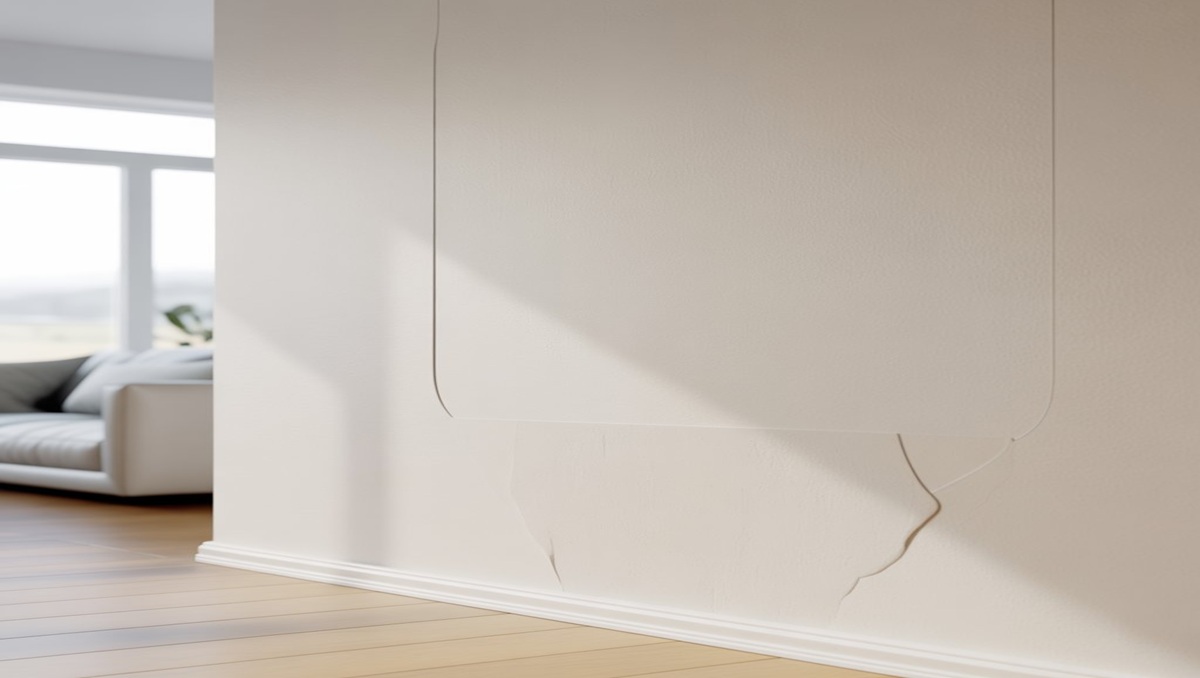
One of the most common mistakes is applying wallpaper to walls that are not properly cleaned, repaired, or primed. When removed, these weak adhesion points can pull off paints or damage the wall underneath.
2. Improper Adhesive
Using too much adhesive or the wrong brand of adhesive can cause the wallpaper to bond too strongly or weakly to the wall. This makes future removal difficult and increases the risk of damaging the paint or drywall.
3. Poor Installation Techniques
Incorrect alignment, excessive stretching, or uneven pressure during installation can stress the wall surface. Repositioning wallpaper multiple times can also weaken the paint layer and trap bubbles.
4. Ignoring Environmental Conditions
Wallpapering in high humidity or extreme temperatures can affect how adhesive cures. Poor curing may lead to bubbling, peeling, or mold growth, all of which comprise the wall health and increase damage during removal.
5. Improper Removal Methods
Forcing wallpaper off the wall without softening the adhesive is a major mistake. Scraping aggressively or pulling too quickly can strip paint, tear drywall, and leave deep marks and stains.
When is Wallpaper Unlikely to Damage Your Walls
Wallpaper is unlikely to damage your walls when these following conditions are met:
- The wall surface is smooth, clean, and properly primed and painted before installation.
- The wall is in good condition, free from cracks, moisture damage, or peeling paint.
- The wallpaper is installed correctly, following manufacturer instructions and using the right tools.
- Environmental conditions like humidity and temperature are stable and controlled.
- The wallpaper is removed carefully using proper techniques without force or aggressive scraping.
When Wallpaper Damage Is More Likely
Wallpaper damage is more likely to occur when the following factors are not met:
- The wall surface is rough, textured, or unprimed.
- The wall is already damaged with cracks, peeling paint, or dampness.
- Improper use of adhesive and installation method.
- Environmental conditions such as high humidity are not controlled.
- Wallpaper is removed forcefully without the right removal methods or tools.
How to Prepare Your Walls to Prevent Damage
Here are the steps recommended by Magicdecor experts to help prevent wall damage during wallpapering:
- Wall Surface Preparation: Clean the wall thoroughly to remove dust, old paint, grease, and other residue that may interfere with proper adhesion.
- Surface Repair: Fill cracks, holes, dents, and sand the surface evenly to avoid stress points that may cause difficulty during removal.
- Moisture Check and Drying: Ensure the wall is completely dry, as trapped moisture can weaken adhesion and cause you to reposition, damaging the wall surface in the process.
- Correct Wallpaper Selection: Choose wallpaper and adhesive that are compatible with the wall type to minimize the risk of excessive bonding or residue.
Tips on Wallpaper Removal to Avoid Damaging the Walls
Based on our experience at Magicdecor working with custom wallpaper installations, here are some practical tips to help you remove wallpaper safely without damaging your wall surface.
Subscribe to Save 5%
All subscribers get an additional 5% OFF on their first order

1. Test a Small Area First
Before beginning the removal process, test a small, inconspicuous spot to see how the wallpaper and glue react and adjust your removal method accordingly.
2. Loosen the Adhesive Gently
Use a mixture of warm water and fabric softener or steam to soften the adhesion before peeling. You can use a scoring tool to make tiny holes in the wallpaper, allowing the water solution to penetrate inside and soften well.
3. Peel Slowly and Evenly
Remove the wallpaper at a steady 45-degree angle rather than pulling forcefully, which helps protect the paint and wall surface.
4. Use the Right Tools
Use a plastic putty knife or a metal one with sanded corners that aid in removing the wallpaper correctly without damaging the wall surface.
5. Clean Residue Carefully
Remove the leftover residue with mild solutions and a soft sponge and allow the wall to completely dry.
Why Peel and Stick Wallpapers Are Popular for Rentals (And When to Be Careful)?
Peel and stick wallpapers are popular for rental spaces because they offer less commitment and more decor flexibility. Moreover, they are:
- They are easy to install and remove without the need for paste or water-based adhesives.
- They allow renters to personalize spaces without making permanent changes to walls.
- High-quality peel and stick wallpapers are designed to leave little to no residue when removed correctly.
- Caution is needed on poorly painted, textured, or unprimed walls, as paint may peel during removal.
The Final Verdict: Will Wallpaper Really Damage Your Walls?
The truth is, wallpaper does not inherently damage walls but it can cause issues when applied or removed incorrectly. Damage is more likely when walls are poorly prepared or removal is done forcefully.
Modern wallpaper options address all factors and design them in such a way that does not damage the wall. For those seeking a modern and worry-free option, Magicdecor’s peel and stick wallpapers offer a friendly alternative, especially when the goal is to refresh interiors while keeping the walls damage-free.
FAQs
- Does wallpaper damage painted walls?
Wallpaper does not usually damage painted walls when the paint is in good condition and the wall has been properly prepared. Damage is more likely if the paint is old or peeling, as it will lift during wallpaper removal.
- Can wallpaper peel off paint?
Yes, wallpaper can peel off paint, especially if strong adhesive is used or if the paint layer is weak. This also happens when the wallpaper is pulled off forcefully.
- Is peel and stick wallpaper really damage-free?
Peel and stick wallpaper is generally more wall-friendly but it is not completely damage-free. It works best on smooth, well-painted and primed walls. .
- Can wallpaper be removed without repainting?
Yes, wallpaper can be removed without repainting if high-quality wallpaper is used and removed correctly from a well-prepped wall.





Top Trending Blogs
Stay up to date with the latest trends





 Magicdecor uses cookies